
Winter Storms, USPS Delays, and Renters Insurance: What Renters Should Know Right Now


If you’ve tracked a package recently, you may have seen the warning: severe winter weather is delaying mail and package delivery across the U.S. Even United States Postal Service is flagging disruptions due to winter storms.
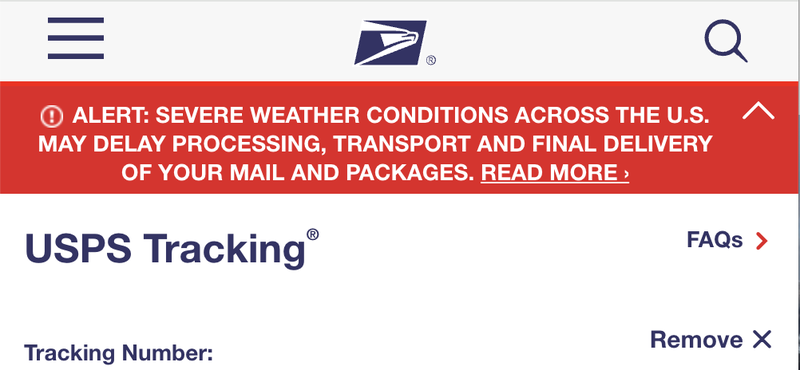
These delays aren’t just an inconvenience. For renters, they expose a few real and timely risks—especially around package theft, damaged deliveries, and misunderstandings about what insurance does (and doesn’t) cover.
This article focuses on what actually matters for renters right now.
Why Winter Storm Delays Change the Risk Landscape
When winter storms slow delivery networks:
- Packages sit longer in mailrooms, lobbies, and hallways
- Couriers leave items in less secure locations
- Tracking updates become less precise
- Responsibility for loss becomes harder to pinpoint
Longer exposure time = higher risk.
Package Theft During Delays: Is It Covered?
In many cases, yes—but with limits.
Most renters insurance policies treat delivered packages as personal property once they’re delivered, even if they’re left in a shared area. Theft may be covered if:
- The package was delivered
- The loss qualifies as theft under the policy
- The value exceeds your deductible
What matters in practice:
- Deductibles often make small claims not worth filing
- Proof of delivery and value may be required
- Repeated small losses are better handled preventively, not through claims
What Renters Insurance Usually Does Not Cover
It’s important to be precise here.
Renters insurance typically does not cover:
- Packages lost before delivery
- Delays caused by weather
- Items damaged due to shipping conditions (e.g., cold exposure in transit)
Those issues usually fall under:
- The carrier’s responsibility
- The retailer’s replacement or refund policy
Insurance starts to matter after delivery, not during transit.
Winter Weather Increases More Than Package Risk
Late January storms also increase:
- Burst pipes and sudden water damage
- Heating-related fires
- Temporary displacement due to uninhabitable units
This is where renters insurance often provides its highest-value protection, especially through:
- Personal property coverage
- Loss of use (additional living expenses)
Package issues may be annoying—but displacement is financially disruptive.
Practical Steps Renters Can Take During Storm Delays
Instead of relying on insurance after the fact, a few practical steps reduce risk now:
- Track deliveries closely during storms
- Use delivery holds or pickup locations when available
- Retrieve packages quickly when alerts arrive
- Avoid shipping high-value items during known delays if possible
Insurance works best as a backstop, not a routine solution.
Why This Matters Right Now
When even USPS is publicly warning about nationwide delays, it’s a signal that:
- Winter disruption is widespread
- Delivery assumptions don’t hold
- Shared spaces become riskier by default
Renters insurance doesn’t solve delivery delays—but it can soften the financial impact when winter disruptions spill into real losses.
Bottom Line
Winter storms in late January 2026 are doing more than slowing mail—they’re increasing everyday risks for renters. Understanding where renters insurance applies (and where it doesn’t) helps set realistic expectations and avoid surprises when something goes wrong.
Disclaimer:
This article is for general educational purposes only and does not constitute insurance or legal advice. Coverage, terms, and exclusions vary by insurer, policy, and state. Readers should review their specific policy documents for details.
Find your perfect insurance policy
Compare the top insurance brands at once for free

