

With so many renters across the state, insurance is widely adopted — not just for theft, but for fire, liability, and temporary housing as well.
How Much Does Renters Insurance Cost in New York?
Below are real renters insurance quotes submitted by users across New York, including those in Oswego and New York. Use them as a reference for what’s typical today.
| Quote Date | City | Monthly Premium | Property Type | Age Group |
|---|---|---|---|---|
| Sept. 21, 2026 | Oswego, New York | $13 | Apartment | 35–44 |
| Sept. 21, 2026 | Oswego, New York | $5 | Apartment | 35–44 |
| Sept. 21, 2026 | New York, New York | $5 | Apartment | 55+ |
| Sept. 21, 2026 | New York, New York | $5 | Apartment | 55+ |
| Sept. 21, 2026 | New York, New York | $9 | Apartment | 55+ |
* Selected, anonymized quotes from past submissions. Last updated: Sept. 21, 2026.
Renters insurance is one of the most affordable insurance products available, yet it can protect you financially from many risks. New York tenants pay higher than the national average. The chart below compares four states with close premiums and the national average.
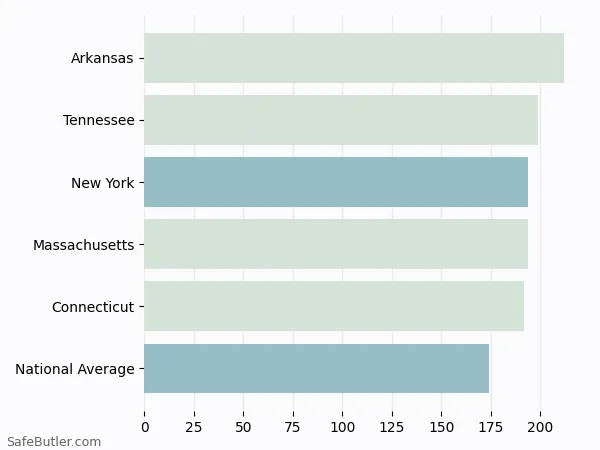
New York renters insurance costs are at or near national average the national average. The actual premium you pay depends on your location, coverage amount, deductible, and personal factors like claims history and credit score.
Beyond the average
See your actual New York rate
State averages are a starting point — your ZIP, building, and belongings decide the real number. Get it in about a minute.
Renters Insurance Cost by City in New York
Renters insurance premiums vary across New York depending on local crime rates, weather exposure, and population density. Here's how average annual costs compare across major cities:
| City | Avg. Annual Cost | Avg. Monthly Cost | vs. State Average |
|---|---|---|---|
| New York City | $260 | $22 | Above average |
| Buffalo | $175 | $15 | Below average |
| Rochester | $170 | $14 | Below average |
| Albany | $185 | $15 | Average |
| Syracuse | $165 | $14 | Below average |
| Yonkers | $240 | $20 | Above average |
| White Plains | $230 | $19 | Above average |
| Ithaca | $155 | $13 | Below average |
* Estimates based on industry data for standard coverage levels.
Top Renters Insurance Companies in New York
These are the leading renters insurance providers in New York, based on financial strength, pricing, and availability:
Lemonade
Founded in New York City with a fully digital experience tailored to urban renters who want fast sign-up and instant claims.
Best for: NYC apartment renters
State Farm
Largest renters insurer in the state with agents in all five boroughs and across upstate New York.
Best for: In-person agent access
Allstate
Strong bundling options and a well-regarded claims network that handles the high volume of NYC rental claims efficiently.
Best for: Multi-policy bundling
USAA
Exceptional customer satisfaction for military-affiliated renters near Fort Drum and other New York installations.
Best for: Military families
Progressive
Easy online quoting with name-your-price tool that helps New York renters find coverage that fits their budget.
Best for: Customizable coverage levels
What Does Renters Insurance Cover in New York?
A standard renters insurance policy (also called an HO-4 policy) in New York typically includes four types of coverage:
Personal Property Coverage
Protects your belongings — furniture, electronics, clothing, and other personal items — against covered perils like fire, theft, and vandalism. You can choose between actual cash value (depreciated value) or replacement cost (full cost to replace).
Liability Coverage
Covers legal expenses and damages if someone is injured in your rental unit or if you accidentally damage someone else's property. Most policies start at $100,000, but higher limits are available.
Additional Living Expenses (ALE)
Pays for temporary housing, meals, and other living expenses if your rental becomes uninhabitable due to a covered event — particularly important in New York given risks like snowing, storms, and floods.
Medical Payments to Others
Covers minor medical expenses for guests injured in your home, regardless of fault. Typically ranges from $1,000 to $5,000 and helps avoid liability claims for small injuries.
What Renters Insurance Does NOT Cover in New York
Standard renters insurance policies have important exclusions. In New York, you should be aware of these common gaps:
- Flood damage — Requires a separate flood insurance policy through the National Flood Insurance Program (NFIP) or a private insurer
- Earthquake damage — Requires a separate earthquake policy or endorsement
- Roommate's belongings — Only covers items belonging to the named policyholder unless roommates are listed on the policy
- Expensive items over limits — Jewelry, art, and collectibles may have sub-limits; consider scheduled personal property coverage for high-value items
- Intentional damage or neglect — Damage you cause deliberately or through failure to maintain is not covered
New York City renters face unique risks including basement apartment flooding, building fires in aging housing stock, and high theft rates. Flood insurance is not included in standard policies but is critical post-Sandy. NYC's rent stabilization system affects a large portion of the rental market.
Recommended Add-Ons and Endorsements for New York
Standard renters insurance may not cover all the risks specific to New York. These endorsements can fill critical gaps in your coverage:
Water Backup and Sump Overflow
$3-$7/monthAging infrastructure in NYC and older upstate buildings makes sewer and drain backups a common source of claims that standard policies exclude.
Flood Insurance
$20-$50/monthCoastal areas of Brooklyn, Queens, Staten Island, and Long Island face significant flood risk from hurricanes and nor'easters.
Scheduled Personal Property
$5-$12/monthHigh-value items like designer goods, musical instruments, and professional camera equipment are common among NYC renters and often exceed base policy sub-limits.
Identity Theft Protection
$2-$5/monthDense urban living and frequent use of public Wi-Fi in New York City elevate the risk of identity theft and data breaches.
Is Renters Insurance Required in New York?
New York does not require renters insurance by state law. Landlords commonly require it in lease agreements, especially in New York City. New York Real Property Law and the NYC Housing Maintenance Code govern landlord-tenant matters.
Even when not legally required, having renters insurance is strongly recommended. Your landlord's insurance covers the building structure but does not protect your personal belongings, cover your liability, or pay for temporary housing if you're displaced.
The Housing Stability and Tenant Protection Act of 2019 significantly expanded rent stabilization protections. Security deposits are limited to one month's rent statewide. Landlords must return deposits within 14 days. New York City has extensive rent control and rent stabilization programs.
How Much Renters Insurance Coverage Do You Need in New York?
New York City's extremely high cost of living demands $40,000-$75,000 in personal property coverage. Upstate cities may need $20,000-$30,000. Flood insurance is critical for NYC renters, especially in basement or ground-floor apartments.
To determine your ideal coverage amount, follow these steps:
- Create a home inventory — Go room by room and list your belongings with their estimated value. Include furniture, electronics, clothing, kitchen items, and personal items.
- Choose replacement cost vs. actual cash value — Replacement cost policies pay to replace items at current prices, while actual cash value accounts for depreciation. Replacement cost is typically worth the slightly higher premium.
- Select your deductible — A $500-$1,000 deductible is common in New York. Higher deductibles lower your premium but increase your out-of-pocket costs when filing a claim.
- Consider liability needs — The standard $100,000 liability limit may not be enough if you have significant assets. Consider increasing to $300,000 or adding an umbrella policy.
Good coverage isn’t one-size-fits-all.
Try different deductibles and liability limits in New York — see how each choice moves your price, in about a minute.
What Factors Impact the Renters Insurance Premium in New York?
- The amount of coverage you chose
- The value of your personal property and whether your policy covers ACV or replacement costs
- The amount of your deductible
- The amount of liability coverage you choose
- The location of your rental home
Are the crime rates exceptionally high in your neighborhood? Rates may be higher as a result. Is the area prone to higher risks for wind or hurricane damage? These factors matter as well. - Discounts
You may be eligible for discounts if you have purchased other insurance policies with the provider or bundled your insurance. There are also discounts available for renters with added security features- such as deadbolt locks, security systems, smoke detectors, etc.
In New York specifically, your location within the state significantly affects pricing. Renters in New York City may pay different rates than those in Buffalo or Rochester due to varying crime rates, weather patterns, and claims history in each area.
What Are the New York Renters Insurance Discounts?
Most carriers provide various discounts for renters insurance, just like auto insurance. Here are the most common discounts available to New York renters:
| Discount | Description | Typical Savings |
|---|---|---|
| Multi-Policy Bundle | Bundle renters with auto, life, or other insurance from the same company. This is one of the largest discounts available. | 5-15% |
| Secure Home | Qualify by having fire extinguishers, burglar alarms, deadbolts, smoke detectors, or living in a gated community or secured building. | 2-10% |
| Claim-Free | Just like auto insurance rewards accident-free drivers, renters insurance is cheaper for tenants who haven't filed claims. The longer your claim-free streak, the bigger the discount. | 5-20% |
| Age / Senior | Older policyholders often qualify for lower rates. If you're a college student renting near campus, expect to pay more due to higher risk profiles in younger demographics. | 5-10% |
| Good Credit | A credit score above 700 typically qualifies for better rates. In most states, insurers use credit-based insurance scores as a rating factor. | 5-15% |
| Pay-in-Full | Paying your annual premium upfront instead of monthly installments eliminates installment fees and can result in meaningful savings. | 5-10% |
| Paperless / Autopay | Opting for electronic documents and automatic payments can earn additional savings. More modern insurance companies build these savings into their base rate. | 1-5% |
| Loyalty | Some carriers offer increasing discounts the longer you maintain a policy with them. This can compound with other discounts. | 3-10% |
What Are the Risks to Consider in New York?
Hurricane Sandy (2012) caused massive flooding and damage in New York City and Long Island. Remnants of Hurricane Ida (2021) caused deadly basement apartment flooding. Nor'easters bring heavy snow and coastal flooding. Standard renters insurance does not cover flood damage.
Coastal and urban flooding is a critical and growing risk. Heavy snowfall and ice storms affect upstate New York. Rising sea levels threaten low-lying areas of NYC and Long Island. Intense rainfall events are becoming more frequent.


The exclusions are where New York renters get surprised — start with the one that matters most here: Does renters insurance cover flood damage?
Last but not least, identity theft protection is an increasingly important add-on to consider. With growing cyber threats and data breaches, many insurers now offer identity theft coverage as an endorsement to your renters policy. Check with your insurance provider about adding this valuable protection.
When Renters Insurance Pays Off in New York
Here are real-world scenarios where renters insurance protects New York tenants from significant financial loss:
Pipe Burst in a Brooklyn Walk-Up
A frozen pipe burst in a pre-war Brooklyn apartment during a January cold snap, flooding the unit and destroying $11,000 in furniture, clothing, and a home office setup. The renter's policy paid for replacement costs and three weeks of temporary housing while repairs were completed.
Package Theft in Manhattan Lobby
A renter in a Manhattan high-rise had $2,500 worth of delivered packages stolen from the building lobby over two months. Their renters policy covered the theft after a police report was filed, minus the deductible.
Hurricane Flooding on Staten Island
Storm surge from a nor'easter flooded a ground-floor Staten Island apartment, causing $15,000 in damage to electronics, furniture, and personal documents. Because the renter had purchased a separate flood endorsement, the claim was fully covered.
New York Renter Profile
Understanding the rental landscape in New York helps you make informed decisions about your coverage needs.
46.0%
Residents Who Rent
3.6 million
Renter Households
$1,750
Median Monthly Rent
8.3 million
Total Housing Units
New York remains the most renter-heavy state in the nation, with over half of all households renting. The pandemic temporarily slowed NYC rental demand, but 2024 and 2025 saw record-high rents and near-zero vacancy rates in Manhattan and Brooklyn, pushing renters into outer boroughs and upstate cities.
How to Find the Best Renters Insurance in New York
Finding the right renters insurance policy in New York requires comparing multiple factors beyond just price. Here's what to look for:
- Compare quotes from multiple carriers — Prices can vary significantly between companies for the same coverage. Use SafeButler to compare options from dozens of carriers in minutes.
- Check financial strength ratings — Look for insurers rated A or better by AM Best. This indicates the company can pay claims reliably.
- Read the policy exclusions — Understand what's not covered, especially regarding New York-specific risks like snowing, storms, and floods.
- Consider the claims process — Research how easy it is to file claims. Some modern insurers offer app-based claims filing with faster payouts.
- Look beyond price — The cheapest policy isn't always the best. Evaluate the coverage limits, deductible, and customer service reputation.
You’re not alone
Join the New York renters who compared first
Prices vary more than most people expect. A two-minute comparison often beats the first quote by double digits.
New York Tenant Rights and Insurance
New York has among the strongest tenant protections in the country. The 2019 Housing Stability Act strengthened rent stabilization, eliminated most vacancy decontrol, capped security deposits at one month, and expanded protections against harassment and illegal eviction.
For more information about renters insurance regulations in New York, visit the New York State Department of Financial Services.
Renters Insurance for College Students in New York
If you're a college student renting off-campus in New York, your parents' homeowners policy may not fully cover your belongings. Here's what students at New York's top universities should know:
Cornell University — Ithaca
Ithaca's harsh winters and older housing stock increase the risk of pipe bursts; make sure your policy covers water damage and loss of use if your apartment becomes uninhabitable.
Syracuse University — Syracuse
Heavy lake-effect snow can cause roof collapses on older buildings near campus, so confirm your policy covers damage from the weight of ice and snow.
New York University — New York City
Most NYC landlords require proof of renters insurance before handing over keys. Compare digital-first insurers like Lemonade that can issue policies in minutes for move-in deadlines.
Most student renters insurance policies cost between $5-$15 per month and can be purchased entirely online. Even with a tight student budget, the protection is well worth the cost.
Student budget, real coverage
Protect your stuff before move-in day
Most student policies start around $5 a month. Enter your ZIP to see New York options from carriers that quote small apartments well.
Moving to New York? What Renters Need to Know
Renting in New York means dealing with some of the highest rents and most varied risks in the country. In New York City, most landlords and management companies require proof of renters insurance before move-in, so have a policy ready to go. Focus on liability coverage since the density of apartment living increases your chance of accidentally causing damage to a neighbor's unit through water leaks or fires. If you are renting in a flood zone along the coast or near a river, standard policies will not cover flood damage so you will need a separate endorsement or NFIP policy. Upstate renters should account for winter hazards like ice dams and frozen pipes. Keep a detailed digital inventory of your belongings because claims move faster when you have documentation.
Filing a Renters Insurance Claim in New York
If you need to file a renters insurance claim in New York, act quickly. New York has a statute of limitations of 3 years for property damage claims under CPLR Section 214 for property damage claims. Here are the steps to follow:
- Document the damage — Take photos and videos immediately. Keep damaged items until the adjuster has reviewed them.
- File a police report — For theft, vandalism, or break-ins, file a police report as soon as possible. Your insurer will likely require a copy.
- Contact your insurer promptly — Most companies have 24/7 claims hotlines or app-based filing. The sooner you file, the faster the process.
- Keep receipts — Save receipts for any emergency expenses (hotel stays, meals, replacement essentials) as these may be covered under ALE.
- Follow up regularly — Stay in contact with your claims adjuster and respond quickly to any requests for additional information.
If you have a dispute with your insurer, you can file a complaint with the New York State Department of Financial Services or call 1-800-342-3736.
Renters Insurance Rates for Cities in New York
We compiled renters insurance rate data for every city in New York. Premiums can vary significantly based on local crime rates, weather risk, and housing characteristics. Click on any city below to see detailed pricing and coverage information.
The most popular cities for renters in New York include New York City, Buffalo, Rochester, Albany and Syracuse. Each city has its own risk profile and average premium.
A
B
C
E
F
G
H
L
M
N
O
P
R
S
W
Rates near you
Skip the city-by-city guessing
City averages are estimates. A real New York quote uses your exact address, so you see what you’d actually pay.
Frequently Asked Questions About New York Renters Insurance
How much does renters insurance cost in New York?
The average renters insurance premium in New York is $194, which is $20 more than the national average. The costs varies a lot from the cost of your personal property, the deductible you choose, and other factors.
Is renters insurance required in New York?
New York does not require renters insurance by state law. Landlords commonly require it in lease agreements, especially in New York City. New York Real Property Law and the NYC Housing Maintenance Code govern landlord-tenant matters.
What does renters insurance cover in New York?
A standard renters insurance policy in New York covers four main areas: personal property protection (your belongings against fire, theft, and vandalism), liability coverage (if someone is injured in your home), additional living expenses (temporary housing if your rental is uninhabitable), and medical payments to others (minor medical expenses for injured guests).
What are the main risks for renters in New York?
Hurricane Sandy (2012) caused massive flooding and damage in New York City and Long Island. Remnants of Hurricane Ida (2021) caused deadly basement apartment flooding. Nor'easters bring heavy snow and coastal flooding. Standard renters insurance does not cover flood damage.
What discounts are available for renters insurance in New York?
Common renters insurance discounts in New York include multi-policy bundling (5-15% off), claim-free history (5-20% off), security devices like alarms and deadbolts (2-10% off), good credit scores (5-15% off), and pay-in-full annual payment (5-10% off). Stacking multiple discounts can reduce your premium by 20-40%.
How much renters insurance coverage do I need in New York?
New York City's extremely high cost of living demands $40,000-$75,000 in personal property coverage. Upstate cities may need $20,000-$30,000. Flood insurance is critical for NYC renters, especially in basement or ground-floor apartments. We recommend replacement cost coverage over actual cash value for the most complete protection.
What is the recommended deductible for renters insurance in New York?
A $500-$1,000 deductible is typical for renters insurance in New York. A higher deductible lowers your monthly premium but means you'll pay more out of pocket when filing a claim. Choose a deductible you can comfortably afford in an emergency.
What are the best renters insurance companies in New York?
The top renters insurance companies in New York include Lemonade, State Farm, Allstate, USAA and Progressive. Each offers competitive rates and strong financial ratings. Compare quotes from multiple carriers to find the best fit for your needs and budget.
How long do I have to file a renters insurance claim in New York?
In New York, you have 3 years for property damage claims under CPLR Section 214 to file a property damage claim. However, you should notify your insurer as soon as possible after a loss — most policies require "prompt" notice, and delays can complicate your claim.
What additional coverage should renters in New York consider?
Based on New York's risk profile, renters should consider these add-ons: Water Backup and Sump Overflow, Flood Insurance, Scheduled Personal Property and Identity Theft Protection. These endorsements fill gaps in standard coverage that are particularly relevant to New York's climate and risk factors.
What is SafeButler and how does it work for New York renters?
SafeButler helps renters compare renters insurance across New York. Renters can use SafeButler to check real quotes, review coverage options, and compare prices from multiple renters insurance carriers in one simple flow instead of filling out separate forms on different insurance websites.
SafeButler is built specifically around renters insurance, including common needs like personal property coverage, liability coverage, deductible selection, and lease-required coverage limits. In New York, SafeButler may show quotes from carriers such as Lemonade and Liberty Mutual where available. SafeButler does not sell insurance directly and is not tied to one carrier, which makes it easier for renters to compare options before buying.
About this guide
This guide is based on real quote data submitted by renters across New York through SafeButler's comparison platform, combined with publicly available rate filings and industry data from the NAIC and Insurance Information Institute. Our data is refreshed weekly to reflect current market conditions. We are an independent insurance comparison platform — we don't sell insurance directly, and we're not affiliated with any single carrier.
One form. Real quotes.
Your New York quote, in about a minute
No follow-up calls, no spam. We compare top carriers side by side and show you the real numbers.
References
- FEMA — disaster risk data and flood maps
- NAIC — insurance market data and consumer resources
- U.S. Census Bureau — housing and renter population statistics
- Insurance Information Institute — industry research and claims data
- New York State Department of Financial Services — New York state insurance regulator
Disclaimer
Our articles are informational and should not be considered legal or financial advice. Our articles are not written or reviewed by insurance agents. Consult your policies with your agent or a professional for details regarding terms, conditions, coverage, exclusions, products, services, and programs.
SafeButler Inc. strives to ensure that the information on this site is up to date, but we will not be held liable for any delays, inaccuracies, errors, or omissions. This site and all materials contained on it are distributed and provided "as is" and "as available" for use. SafeButler.com makes no representations or warranties of any kind, express or implied, as to the operation of this site or to the information, content, materials, or products included on this site. You expressly agree that your use of this site is at your sole risk.